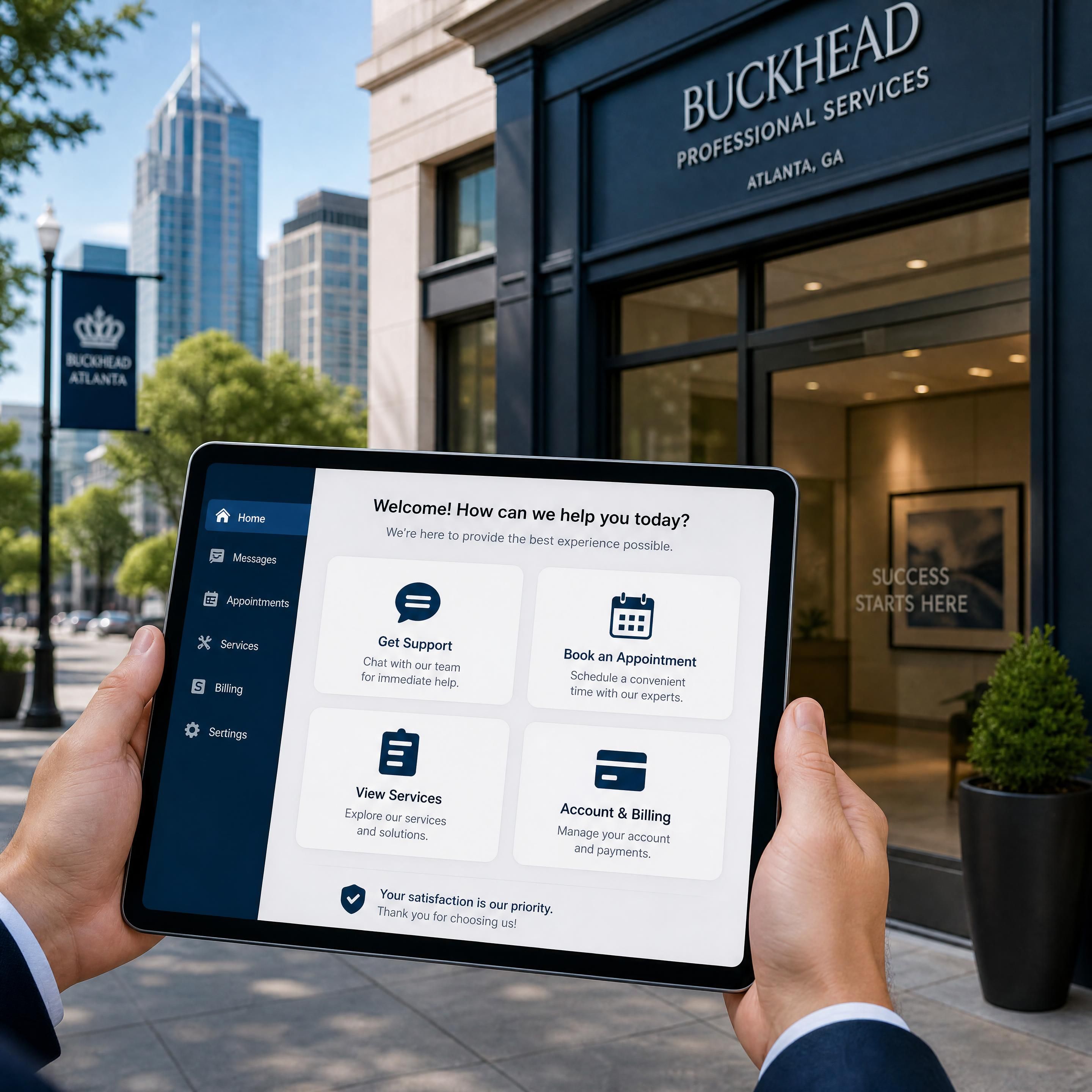
It’s 11:45 PM on a Friday in Midtown Atlanta. A desperate homeowner in Virginia-Highland is staring at a leaking water heater, or a high-value client in Buckhead is looking to hire a law firm for an urgent corporate matter. They land on your website, ready to book. Instead of a seamless experience, they get a broken, robotic script that loops endlessly. This is where poorly configured ai chatbots destroy your reputation and send hot leads straight to your competitors in Sandy Springs.
Why Generic AI Chatbots Are Killing Your Buckhead Business Leads
Most digital marketing agencies tell you that "any chatbot is better than no chatbot." That is a flat-out lie. A poorly trained, generic chatbot is actually worse than having a simple static contact form because it actively frustrates your users, breaks trust, and drives them away.
When you install a generic small business chatbot without local context or custom training, you aren't automating your customer service; you are automating the rejection of your customers. If your bot cannot answer basic questions about your services, pricing, or service areas, visitors will bounce.
What a High-Converting Chatbot Actually Does
Modern conversational AI tools do more than just repeat pre-written text. They act as 24/7 digital receptionists that understand natural language, qualify leads, and schedule appointments directly into your CRM. For an Atlanta business, this means instantly capturing high-intent traffic while your team is asleep or out on a job, turning a passive website visitor into a booked consultation in under 60 seconds.
The 5 Fatal Chatbot Mistakes Atlanta Businesses Make
If you want to leverage AI without damaging your brand, you must avoid these five critical pitfalls.
1. Leaving No Path for Human Handoff (The "AI Trap")
Many business owners make the mistake of setting up their bots to handle 100% of customer interactions without a fallback option. They assume that AI can answer every question. However, a Forbes study revealed that 71% of customers still prefer human interaction over poorly implemented, generic AI bots [Forbes].
When your bot hits a wall, it must seamlessly hand off the conversation to a human team member or schedule a call. Without this, your prospects feel trapped, and they will leave.
2. Leaking Sensitive Data via Public Search Engines
A shocking security vulnerability made headlines when users' private conversations with Anthropic’s Claude showed up in Google and Bing search results due to poorly configured public sharing and indexing settings.
For local professional services—especially medical practices in Sandy Springs or law firms in Buckhead—this is a nightmare scenario. If your bot collects names, phone numbers, or case details and exposes them to search engines, you face severe legal and reputational damage. Ensuring secure API configurations and data privacy is non-negotiable.
3. Deploying Voice Agents Without a Clear Strategy
With the release of new platforms for real-time voice agents, many businesses are rushing to deploy voice-enabled assistants. However, deploying voice chatbots without proper latency optimization and voice-first UX will frustrate users. A voice bot that lags, misinterprets local accents, or cuts off callers is worse than no bot at all. Start with text-based solutions before scaling to voice.
4. Not Localizing the Chatbot to Atlanta Neighborhoods
If a prospect from Old Fourth Ward asks, "Do you service my area?" and your bot replies, "I cannot answer that question," you’ve lost a customer. Your automated assistant must be trained on local geography. It should know that you serve Buckhead, Midtown, Virginia-Highland, Decatur, and Sandy Springs, and be able to quote travel fees or service availability accordingly.
5. Poor CMS and E-commerce Integration
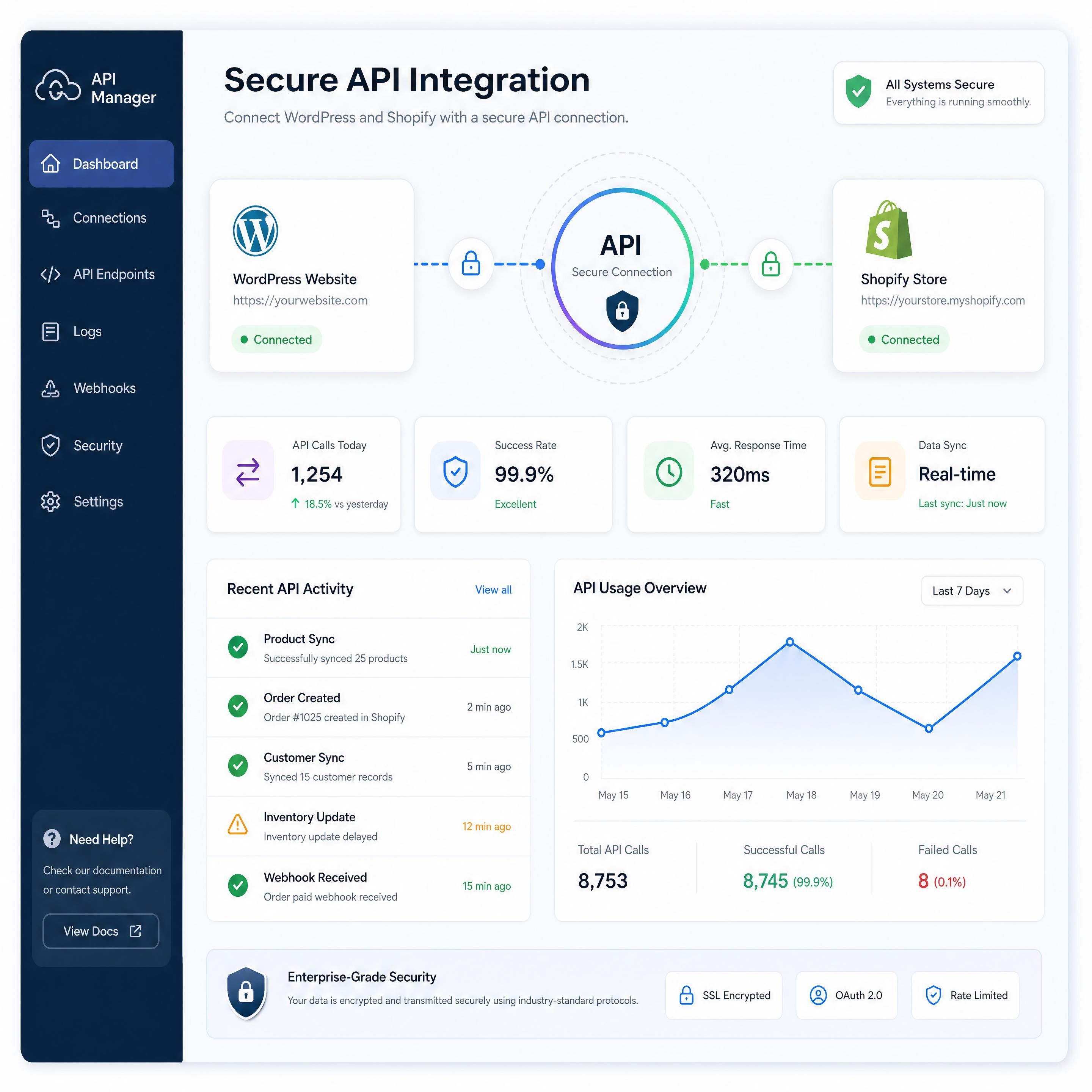
Many businesses suffer from slow page load times and broken triggers because they installed unoptimized plugins. When configuring wordpress chatbots or shopify chatbots, you must ensure they load asynchronously. A slow website directly hurts your SEO rankings and drives bounce rates up. Furthermore, if your Shopify bot cannot access real-time inventory or your WordPress bot fails to push leads to your CRM, the integration is useless.
AI Chatbot Pricing: Real Numbers for Small Businesses
How much does it actually cost to run a secure, high-converting chatbot? Let’s break down the realistic pricing tiers.
| Tier | Typical Monthly Cost | Key Features & Limits | Best Fit |
|---|---|---|---|
| No-Code SaaS / DIY | $30 – $150 / month | Standard NLP, trained on site content, basic CRM sync | Local service businesses, boutique shops |
| Mid-Market / Developer-Built | $150 – $500 / month | Custom API integrations, live chat handoff, advanced RAG | Multi-location firms, growing e-commerce |
| Custom Agency Managed | $500 – $2,500+ / month | Full custom training, continuous optimization, voice-first options | Enterprise-level local brands, high-volume lead gen |
Tying Chatbot Costs to Your ROI
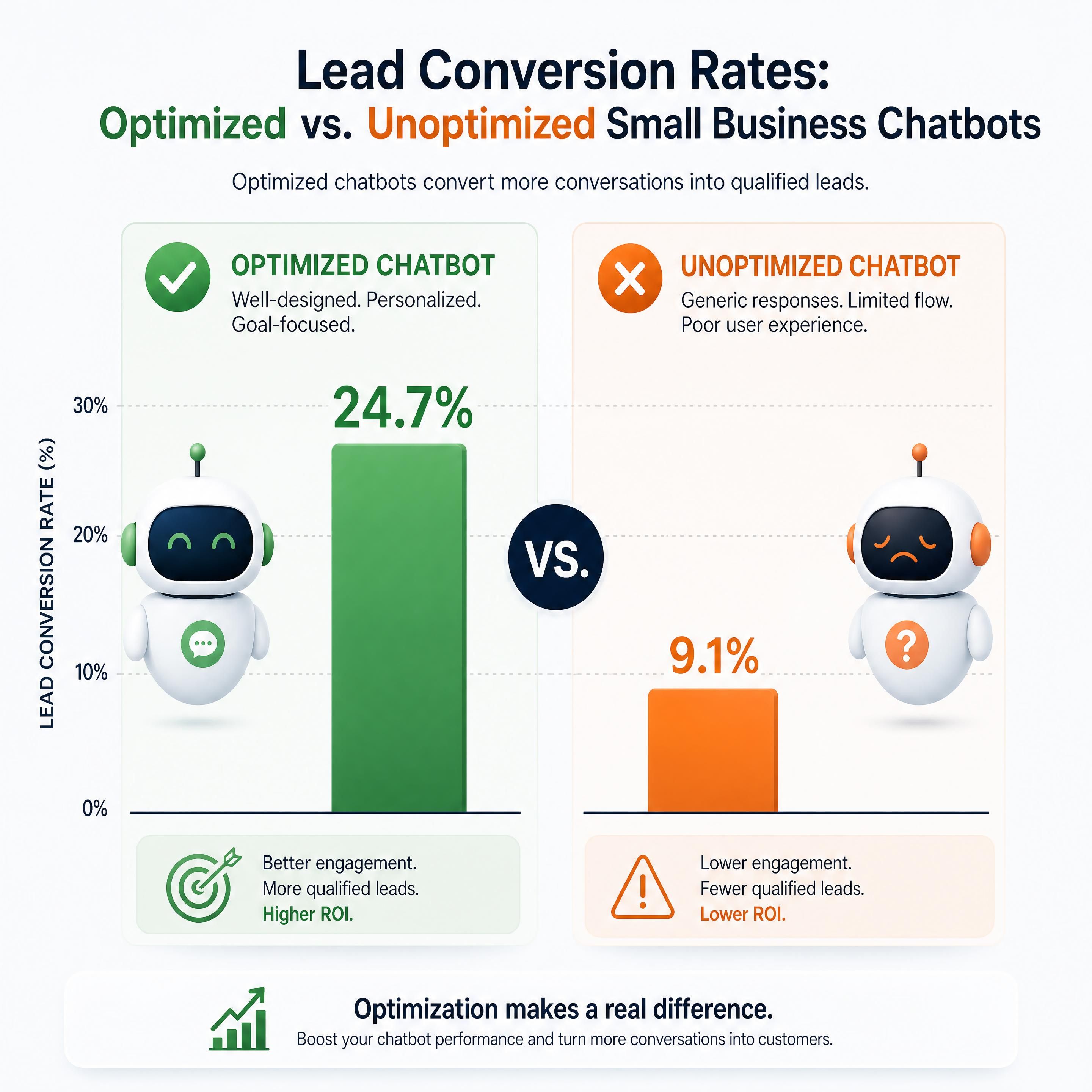
If your average customer lifetime value is $500 (typical for an Atlanta HVAC repair or a legal consultation in Buckhead), capturing just one extra lead per month easily covers the cost of a mid-level subscription, yielding a massive return on investment.
How to Safely Deploy WordPress and Shopify AI Chatbots
Integrating these tools is no longer a complex coding project. Whether you use wordpress chatbots for your local service page or shopify chatbots to handle e-commerce customer queries, deployment is straightforward:
- Choose your platform: Select an AI-native tool that offers secure API connections and native integrations.
- Connect the integration: Install the official plugin on WordPress or connect the app via the Shopify App Store.
- Train the AI: Upload your FAQs, service pricing, and local Atlanta service areas (such as Midtown, Buckhead, and Decatur).
- Set up the handoff: Ensure the bot can transfer complex queries to a human team member or drop them into your CRM (like HubSpot or ActiveCampaign).
Why It Matters in Atlanta: The Local Business Pressure
Atlanta is a hyper-competitive market. From the bustling tech hubs of Midtown to the established firms in Buckhead, local businesses are under immense pressure to respond instantly.
According to local market data, businesses that respond to a lead in under 5 minutes are 100 times more likely to connect and convert than those that wait 30 minutes. If your competitor in Decatur is using optimized communication channels and you are waiting until Monday morning to reply to emails, you've already lost the battle.
Case Scenario: Before vs. After AI Integration
Let’s look at a realistic case scenario of an Atlanta-based service business ("Peach State Plumbing & HVAC") that optimized its website chat setup.
Before Optimization:
- Website traffic: 1,500 visitors/month
- Conversion rate: 1.8% (27 leads/month)
- Response time: 4 hours average
- Weekend lead loss: Estimated 15-20 leads lost due to delayed response times.
After Optimization:
- Website traffic: 1,500 visitors/month
- Conversion rate: 4.2% (63 leads/month)
- Response time: Instant (24/7)
- Monthly revenue increase: $18,000+ (based on a $500 average job value).
Related Services
Need help setting up a high-converting, secure chatbot for your local business? Explore our expert services:
- Custom AI Chatbot Integration: Turn website traffic into booked appointments with our custom AI chatbot integration solutions.
- WordPress SEO & Web Development: Optimize your site speed and structure with our WordPress SEO services.
- Shopify E-Commerce Optimization: Maximize your online store's conversion rate using our Shopify optimization services.
- Atlanta Marketing Strategy: Stay ahead of the competition by reading our guide on Atlanta digital marketing trends.
Questions Fréquentes (FAQ)
How much does a small business chatbot cost?
For most Atlanta small businesses, a reliable subscription-based AI chatbot costs between $30 and $150 per month. Custom-built agency solutions with advanced integrations can range from $500 to $2,500+ per month depending on the complexity.
Can I use AI chatbots on both WordPress and Shopify?
Yes. Most modern AI platforms offer dedicated integrations for both WordPress and Shopify, allowing you to deploy secure bots on your site without writing custom code.
What is the biggest security risk with AI chatbots?
The biggest risk is poor data configuration. If your bot's conversation logs are not properly secured, sensitive client data can be indexed by public search engines, as seen in recent high-profile AI data leaks.
How do I prevent my chatbot from frustrating customers?
Always include a clear path for human handoff. If the bot cannot resolve an issue, it should instantly offer to connect the user with a live agent or schedule a call.
Chiffres Clés
📊 71% of customers prefer human interaction over poorly implemented AI bots (Source: Forbes)
💡 100x higher conversion rate when responding to a lead in under 5 minutes (Source: Lead Response Study)
📈 $15.7 Trillion expected global economic impact of AI by 2030 (Source: PwC)
Conclusion
Ready to dominate the Atlanta market? Stop losing high-value leads in Buckhead and Midtown to slow response times and broken scripts. Let our team build and integrate a secure, high-converting customer service chatbot tailored for your business. Contact us today to schedule your consultation!