
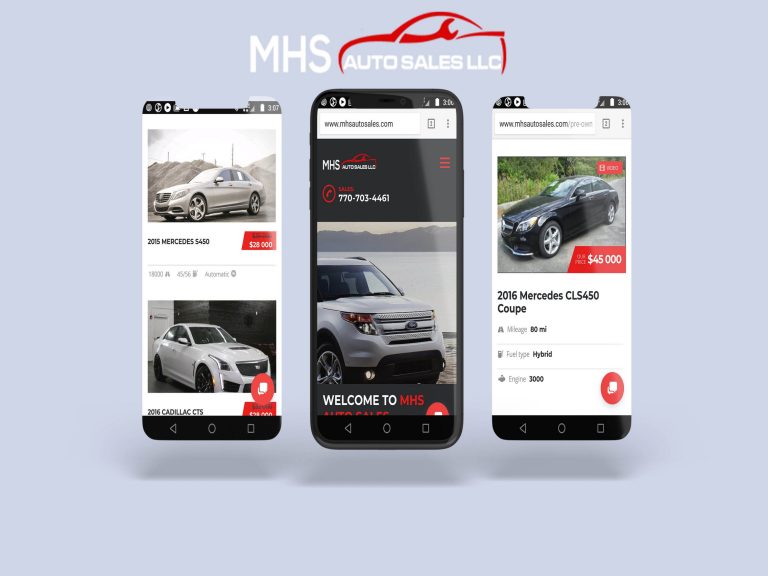
 4 screens
MHS Auto Sales
Car dealership website with vehicle listings
Industry · Collision repair
After an accident, drivers want a body shop that explains insurance steps plainly and makes requesting an estimate easy; we help your shop earn that trust online.
Collision repair marketing has to reach someone on one of the worst days of their month. Their car is damaged, they may be shaken up, and an insurance company is already part of the conversation. Infinite Marketing helps Atlanta-area body shops earn that customer’s trust quickly, explain the process clearly and make the first step, usually an estimate, as easy as possible.
Unlike most local services, the collision customer often is not the only decision-maker. The insurer, the adjuster and sometimes a tow driver all influence where the car goes.
Most collision jobs follow a predictable path, and your marketing should meet the customer at each point:
Direct repair programs, often called DRPs, are agreements between insurers and body shops. A shop on an insurer’s DRP list typically agrees to certain processes, pricing structures and reporting in exchange for referrals. Some shops value these relationships; others choose to stay independent so they can work directly for the vehicle owner. Neither choice is automatically better for the customer.
Your website should explain your position plainly. If you are on DRP lists, say which ones and what that means for the customer, such as a simpler claim process. If you are independent, explain how you work with any insurer and what that means for the repair. In general, vehicle owners decide where their car is repaired, but avoid framing insurers as adversaries or making claims about specific policies. Customers respond better to clear information than to fear.
A mobile-friendly form that lets customers upload damage photos, vehicle details and claim information, then routes it to your estimator and confirms receipt automatically.
OEM certifications, training credentials and warranty terms, shown only when you actually hold them, with a plain explanation of why they matter for the repair.
Real photos of your own completed work, organized by damage type, with customer permission and plates blurred.
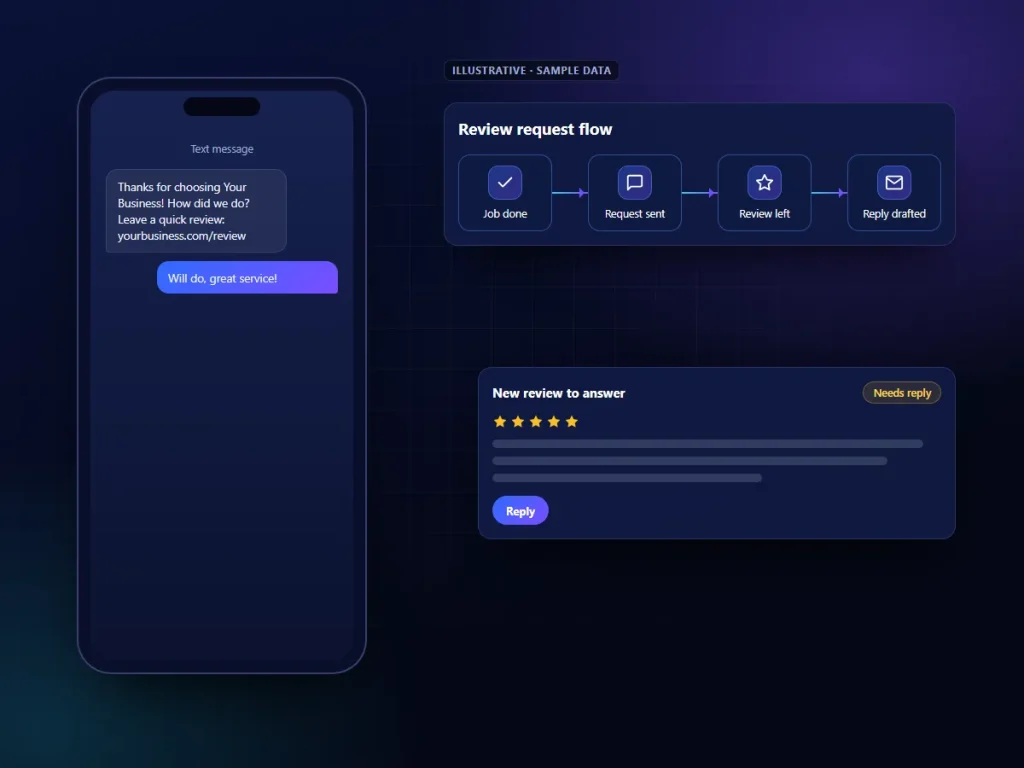
Requests timed for vehicle delivery, when the customer can see the finished car, plus careful replies that never disclose claim details.
Step-by-step explanations of what happens from drop-off to delivery: estimate, insurer approval, parts, repair, quality checks and pickup.
A complete Google Business Profile with the right body shop categories, accurate hours and photos of your facility and equipment. Google’s tips to improve your local ranking explain how relevance, distance and prominence affect these results.
Build or improve your photo estimate request flow and test it on several phones. Add automated confirmation by text or email, and set a target response time your estimators can actually meet. Fix any profile and directory inconsistencies.
Publish pages on how insurance claims work at your shop, rental car coordination, timelines and your repair warranty. Add a before-and-after gallery and your real certifications.
Set up repair status updates and a review request at delivery. Track which channels produced estimate requests, then decide where paid search or more content would help.
Results vary with your market, insurer relationships and capacity. We do not guarantee rankings, review volume or job counts.
Collision customers may have been injured, and some accidents involve legal disputes. Keep forms limited to what you need for the estimate, and do not ask for injury details. Never post photos of a customer’s damaged car without permission. When replying to reviews, do not discuss claim amounts, fault or insurer negotiations in public. Be accurate about certifications: OEM programs have specific requirements, and claiming one you do not hold can damage trust quickly. And avoid any wording that tells customers what their insurer must or must not pay; that depends on the policy.
Yes. Even referred customers usually check your reviews and website before committing. Strong local visibility also helps balance your workload so you are not depending entirely on referral sources you do not control.
Only if it is accurate and you can explain what it means in practice. “We work with your insurer to process your claim” is more useful to a customer than a broad claim they cannot verify.
A photo estimate is a starting point, and your site should say so. It helps the customer understand likely scope and timing, while the final estimate comes after inspection.
It can be, especially for searches with clear local intent. We usually recommend fixing the estimate process and review profile first so ad clicks land on a page that earns trust.
It can answer common process questions, collect contact and vehicle details and route photo uploads to your team. It should not give repair prices or coverage opinions.
4 screens Car dealership website with vehicle listings