
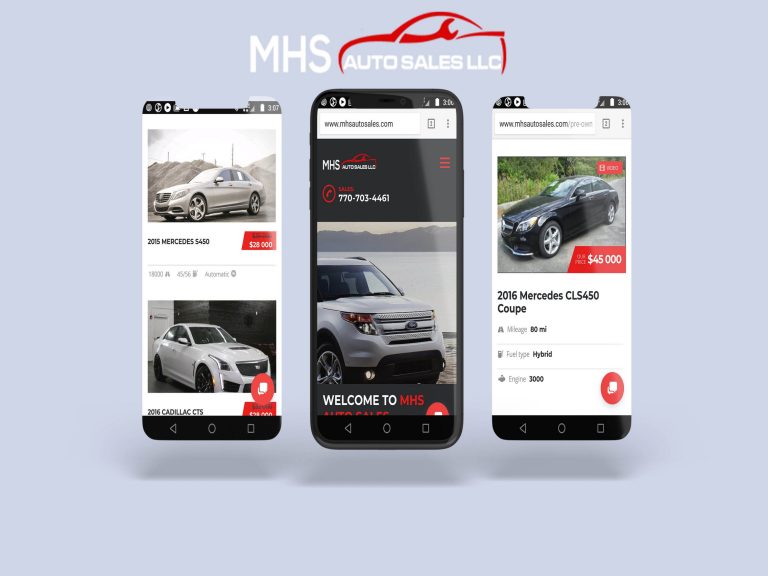
 4 screens
MHS Auto Sales
Car dealership website with vehicle listings
Industry · Auto repair
When a driver hears a grinding noise, your shop should appear nearby on Google Maps with a clear repair page and a number they can tap; that is the job of auto repair SEO.
SEO for auto repair shops is about being the shop a driver finds, trusts and calls when something sounds wrong with their car. That means showing up in Google Maps nearby, having a clear page for the repair they need, and making the phone call easy. Infinite Marketing builds that system for independent repair shops across metro Atlanta.
Repair customers rarely search for “auto repair” and stop there. They search for what they hear, feel and see, and the shops that answer those questions earn the call.
A typical repair search moves through three stages, sometimes within a few minutes:
Most shop websites only try to win the third stage. A shop that also answers the first two, honestly and in plain language, gives Google more reasons to show it and gives the driver more reasons to trust it before they ever pick up the phone. Good auto repair SEO covers all three stages.
Many repair sites list brakes, transmissions, engines, electrical, AC, suspension, oil changes and inspections on one page. Search engines have little to work with, and a customer worried about a grinding noise has to guess whether you handle it. Separate service-level pages fix both problems. A good brake page explains common warning signs, what an inspection involves, the difference between pads, rotors and calipers, whether you service their make, and how to book. It does not need to quote prices, but it should explain what affects the cost so customers are not surprised.
Shops that specialize, for example in European makes, diesel trucks or hybrids, should give that specialty its own pages too. Specialty pages usually face less competition than generic repair terms and attract customers who value expertise over the lowest price.
Correct primary and secondary categories, listed services, accurate hours including holidays, real shop and team photos, and regular posts. Your profile is often seen before your website.
One page per major repair category, written around real symptoms and questions, with your makes, warranty terms and booking options clearly stated.
A simple, consistent way to ask every customer for a review after pickup, plus thoughtful replies. Reviews that mention the specific repair help future customers decide.
Tap-to-call on every mobile page, call tracking to see which pages produce calls, and a plan for missed calls so a busy afternoon does not cost you jobs.
Fast mobile pages, clean site structure and local business schema, so search engines can read your site and drivers are not waiting on a slow page.
Review your Google Business Profile, website and citations. Correct categories, hours and inconsistent phone numbers. Set up call tracking and confirm Google Analytics and Search Console are working.
Pick the four to six repairs that matter most to your revenue and capacity, often brakes, diagnostics, AC, suspension and maintenance, and build a strong page for each. Add a few symptom-focused articles that link to them.
Add a review request to your pickup process by text or email, and begin replying to every review, positive or negative, within a few days.
Look at which pages and searches produced calls. Expand what works, refine what does not, and decide whether ads for specific repairs make sense.
We do not promise map pack placement or a ranking timeline. Your location, competitors and review history all affect results, and Google controls the rankings.
Trust is fragile in auto repair, so the marketing should never overpromise. Avoid claims like “dealer-quality” or “factory-certified” unless they are literally true and you can explain them. Show technician certifications only if your team actually holds them. Be careful with symptom content: explain likely causes, but encourage an inspection rather than diagnosing over the internet, and flag safety issues such as brake failure clearly. Never offer discounts or freebies in exchange for reviews; Google’s review policies prohibit incentivized reviews.
Not every one. Start with the repairs that bring in the most work or that you want more of. Smaller services can be grouped where customers would naturally expect them together, such as fluid services under maintenance.
That is your decision. Many shops prefer to explain what affects cost, such as parts quality, vehicle make and labor time, and invite a quote. If you do publish prices, keep them current and clearly state what is included.
They can, when they are written for local drivers and link to the relevant service page with a clear way to book. Their main job is to build trust and show expertise, not just to collect traffic.
SEO brings the calls; converting them is about phone handling. We can help with call tracking, missed-call text follow-up and AI phone agents that capture details when advisors are busy.
Yes, within reason. Google ranks Maps listings largely on proximity, so we focus on genuine relevance and reputation, and only create area pages when there is real, specific content to say about serving that area. Google explains the factors behind local results in its tips to improve your local ranking.
4 screens Car dealership website with vehicle listings